
Chinese medicine · Knowledge & care
Cupping Therapy: Tradition and Thoughtful Care
By jan · Updated
Cupping Therapy: Tradition and Thoughtful Care
1. A simple cup, an enduring tradition
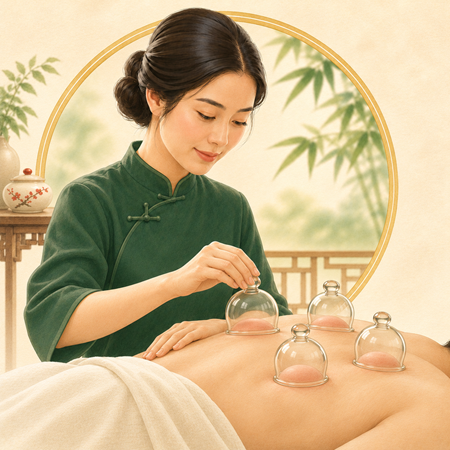
Picture a glass cup catching the morning light beside neatly folded linen. The object is simple, yet it belongs to a long history of hands-on care. Cupping is practised in several medical traditions, including Chinese and Middle Eastern medicine. Today, it appears in contemporary clinics as well as traditional treatment rooms. [1]
The defining action is suction. A cup creates lower pressure against the skin, drawing the surface upward. This distinguishes cupping from massage, which usually applies pressure into tissue. In Traditional Chinese Medicine, cupping sits alongside acupuncture, tuina and other techniques. Understanding its place means considering the method, the experience and the evidence, rather than assuming that an ancient practice has the same benefit for every person.
2. Traditional explanations and modern questions
In TCM, practitioners may describe cupping as moving qi and blood or relieving stagnation. These are traditional explanatory concepts, not measurements of a substance released through the skin. The imagery of restoring movement belongs to the language of that medical system. [8]
Modern research examines mechanical stimulation, sensory responses and local circulation. A small experimental study involving twelve healthy participants measured changes in skin blood flow after cupping. [3] This shows a local physiological response; it does not establish whole-body circulatory improvement, removal of toxins or faster healing of an injury. A measurable mechanism and a meaningful clinical benefit are different questions. Studies in patients are needed to connect one with the other.
3. Several methods, different considerations
Dry cupping applies suction without deliberately piercing the skin. Cups may remain in one position, or a practitioner may use a moving technique over lubricated skin. Suction can be created mechanically; in traditional fire cupping, heat is used to generate the pressure difference. Fire cupping introduces a burn risk and should not be treated as a home experiment. [1], [8]
Wet cupping includes deliberate skin puncture or incisions and blood removal. It therefore carries additional concerns about bleeding and infection. [1] The term “cupping” should never leave a visitor guessing which procedure is proposed. Before consenting, ask whether skin will be broken, whether heat is involved and how the equipment is handled. The clinical evidence for one method cannot automatically be transferred to another.
4. Pain relief: encouraging findings, important limits
Pain is the most studied reason for considering cupping. A 2025 systematic review reported an immediate reduction in pain intensity across trials of chronic musculoskeletal pain, but did not find significant overall improvement in disability or mental health. Results varied substantially between studies. [4]
The comparison matters. A review published in the 2026 volume of JOSPT Open examined five trials involving 281 participants and specifically compared dry cupping with placebo cupping. It judged the effects on pain very uncertain across follow-up periods. [5] Some people may experience relief, but reliable benefit beyond contextual effects remains difficult to establish. Cupping should not be presented as a proven way to repair injured tissues, accelerate sports recovery or replace appropriate rehabilitation.
5. What do the circular marks mean?
The recognisable red or purple circles arise from the skin's response to suction, including effects on small blood vessels beneath the surface. They commonly fade over days, sometimes taking one to two weeks, although recovery varies. Mild tenderness can also occur. [2] Seeing marks in photographs may make cupping look more dramatic than a description of the session suggests.
A darker mark is not proof of a better result. Colour should not be used as a validated measure of toxins, disease severity or successful treatment. Discuss the possibility of visible marks before your appointment, particularly if they would affect your plans or comfort. Tell other healthcare professionals that you have had cupping so the skin changes can be interpreted in context. [1]
6. A quiet pause, without exaggerated promises
Some visitors describe feeling calmer or less tense after a session. An unhurried appointment, supportive contact and the opportunity to rest can make the experience welcome. Such experiences deserve to be heard, while remaining distinct from evidence that cupping treats an anxiety disorder or another mental health condition. The 2025 review did not demonstrate a significant mental-health benefit. [4]
Current clinical evidence also does not justify broad promises of “detoxification” or stronger immunity. Findings about skin circulation cannot establish protection against infection or treatment of chronic fatigue. [1], [3] A responsible explanation can acknowledge a person's sense of relaxation without turning it into a claim that the whole body has been cleansed, repaired or protected from disease.
7. Before the first cup is placed
A useful consultation begins with your symptoms, previous investigations, medicines and treatment goals. Explain what makes the problem better or worse and whether your skin bruises easily. Ask what the proposed method involves, what alternatives exist and how any benefit will be assessed. You should understand and agree to the procedure before it begins. [9]
During dry cupping, people may notice pulling or tightness. Tell the practitioner promptly about burning, sharp pain, dizziness or excessive discomfort. [2], [6] You can ask for adjustment or stop the session. Cup position, suction and duration require individual judgement; a stronger sensation is not a useful goal in itself. Privacy, comfortable positioning and clear communication should remain part of the treatment throughout.
8. Skin safety and hygiene matter
Cupping can cause soreness, blistering, burns, persistent discolouration or infection. Avoid treatment over damaged or infected skin. Disclose blood-thinning medication, bleeding disorders, fragile skin, pregnancy and relevant illnesses before proceeding; an assessment may lead to postponing treatment or choosing another approach. [6], [7]
Equipment must be appropriately reprocessed between patients, or used once where indicated. Blood contamination can occur even during dry cupping, so inadequate sterilisation can transmit bloodborne infections. [1], [9] Wet cupping requires additional precautions because it intentionally breaks the skin. Ask about hygiene openly. Seek medical advice for blisters, worsening pain, spreading redness or fever after treatment. Adverse effects should not be explained away as a necessary cleansing reaction.
9. Judge progress by daily life
If cupping is included in a care plan, agree on a limited trial and a review point. Choose an outcome you can recognise: turning your head more comfortably, sitting through a meal or returning to an activity that matters. Record how you feel between appointments, not only immediately after the cups are removed.
Discuss the likely cost and what will happen if there is no worthwhile improvement. A plan may also involve exercise, physiotherapy or other care appropriate to the diagnosis. Visible marks and repeated attendance are not substitutes for progress. The aim is better function and a manageable symptom burden. New or worsening symptoms call for reassessment, rather than automatically increasing suction or extending the course.
10. Finding thoughtful cupping care in Thailand
When exploring practitioners in your province, ask about relevant professional credentials, training in the specific cupping method and experience with your concern. A practitioner should be able to explain what they propose, why it may be appropriate and where uncertainty remains. Clear information about fees, skin marks and follow-up helps you make an informed choice.
Cupping's appeal lies partly in its simplicity and the attentive encounter surrounding it. Its place in contemporary care is strongest when tradition is accompanied by honest explanations, proportionate expectations and respect for your comfort. Explore practitioners in your province and begin with a conversation about your needs. A well-considered decision starts with understanding the treatment and how it fits your wider care.
